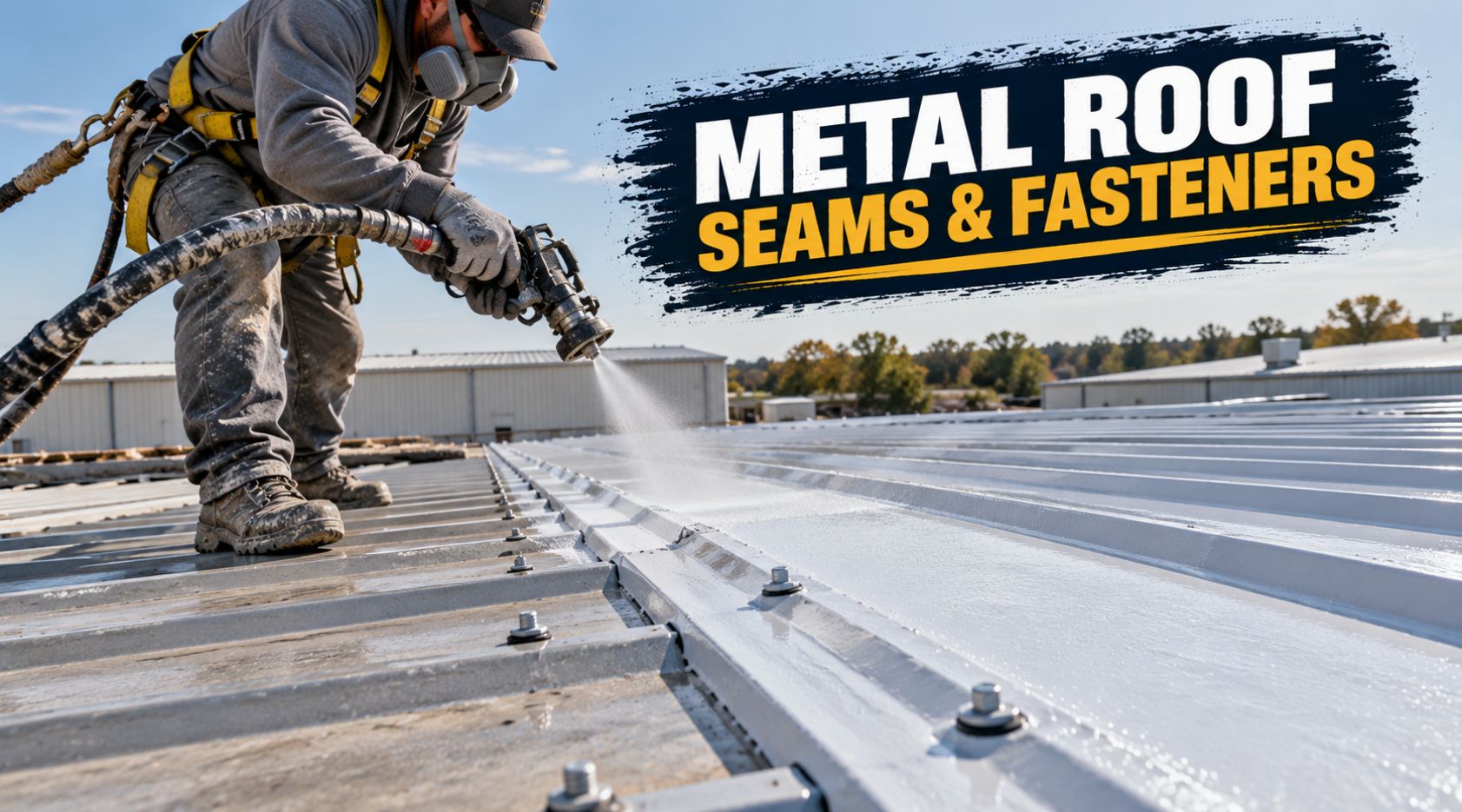

Derek Fontaine has been applying spray polyurethane foam (SPF) insulation for 12 years before making the transition to polyurea coatings in 2023. His experience highlights both the opportunities and the learning curve that skilled trades professionals face when entering the polyurea market. We sat down with Derek, now owner of Fontaine Protective Coatings in Nashville, Tennessee, to discuss his transition experience and advice for others considering a similar move.
How did your foam insulation background prepare you for polyurea work?
“The equipment background is genuinely helpful — both industries use heated plural-component proportioning equipment, and understanding pressure balance, heated hose management, and spray pattern development transfers directly. I already knew how to maintain and troubleshoot a spray rig, which gave me a significant head start on the equipment learning curve that trips up applicators coming from painting or coatings backgrounds with no plural component experience.”
“The material handling knowledge is also transferable. I understood how humidity, substrate temperature, and dew point affect application quality, and I understood the chemical safety aspects of working with isocyanates. Those foundations made polyurea chemistry feel like an extension of what I already knew rather than something entirely foreign.”
What was harder than you expected?
“The business side was harder than I expected. In the foam insulation world, I had steady relationships with builders and insulation contractors who kept me busy. Starting a polyurea contracting business meant building a completely new customer base — architects, general contractors, industrial facility managers, and municipalities don’t naturally think of calling a spray foam guy for their coating needs.”
“I underestimated how important specialization is in polyurea. Foam work tends to be fairly homogeneous — you’re always doing roofs or walls. Polyurea applications span everything from truck beds to bridge decks to sewer manholes, and each requires different formulations, surface prep knowledge, quality control protocols, and customer types. I spent the first year trying to do everything, which spread my marketing, training, and equipment investment too thin.”
What helped you most during the transition?
“Joining American Polyurea was probably the single best decision I made. Within three months, I had relationships with experienced applicators who were willing to share real information — not just sales pitches from distributors. I’ve been on job sites with members who invited me to watch their operation, and I’ve brought members to my jobs to get their eyes on technique issues I was struggling with.”
“The chapter meetings create a peer learning environment that’s hard to replicate any other way. When you’re new to a market, the ability to ask a straightforward question — ‘What primer are you using on steel in an immersion environment?’ — and get an honest answer from someone who has actually solved that problem is invaluable.” Visit the State Chapters & Regional Network page to find your regional chapter.
What certifications do you recommend for someone making this transition?
“Start with the American Polyurea Certified Applicator credential — it establishes your baseline knowledge and gives you credibility with commercial clients who are increasingly checking for certifications before hiring. After that, pursue SSPC-PCS (Protective Coatings Specialist) if you’re targeting industrial and infrastructure work. NACE CIP Level 1 is worth pursuing if you want to do inspection as well as application work, or if you’re bidding on projects where the spec requires a certified inspector.”
“Don’t try to get everything at once. Build real-world experience while pursuing one certification at a time. Credentials without job experience create their own kind of gap — clients can tell when someone has passed a test but hasn’t actually done the work.” Learn about certification pathways at Become an Applicator.
What market segments have been most successful for you in Tennessee?
“Secondary containment has been my bread and butter. Middle Tennessee has a significant industrial base — automotive manufacturing, chemical distribution, agricultural processing — and the demand for compliant secondary containment systems is constant. It’s not glamorous work, but it’s steady, it’s repeat business, and the specifications are well-established, which makes it easier to price and execute consistently.”
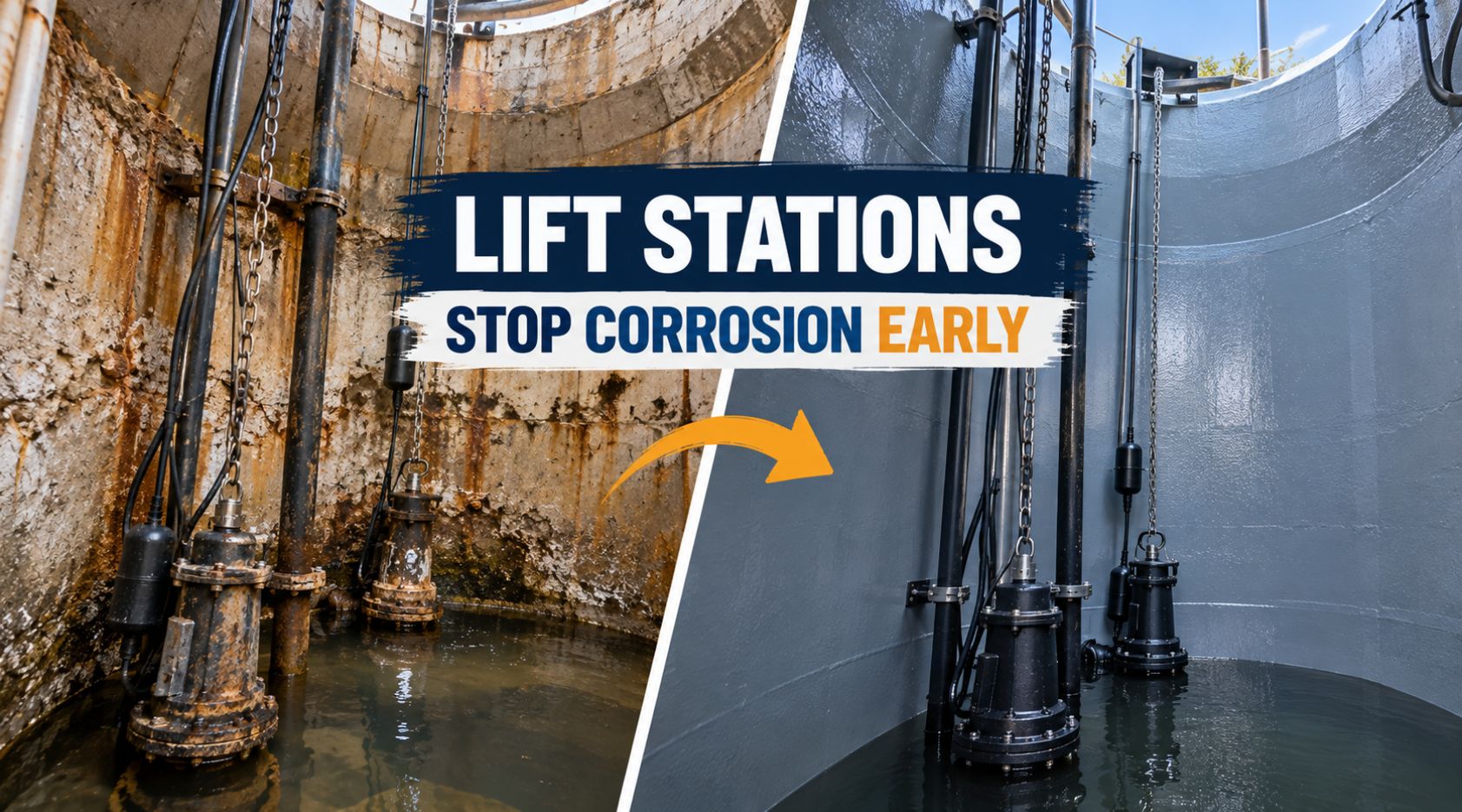
“I’ve also found a solid niche in water and wastewater infrastructure with municipal clients in smaller towns. Many of these municipalities have aging concrete infrastructure and limited capital budgets — polyurea rehabilitation extends the service life of their assets at a fraction of replacement cost, and once you’ve done one successful project for a county, the referrals within that county’s network come naturally.”
What advice would you give someone just starting out?
“Find your first two or three clients before you invest heavily in equipment. Too many people buy a spray rig and then wonder where the work is. Talk to industrial facility managers, wastewater operators, and commercial property managers in your area. Find out what coating problems they’ve been unable to solve or have been solving with expensive workarounds. Polyurea is almost certainly one of the answers — and having identified clients before you have equipment makes the business model much more predictable.”
“And connect with the community. The American Polyurea network — at the national level and through the regional chapters — has saved me from more mistakes and pointed me toward more opportunities than any other investment I’ve made in this business.” Join the community at Join American Polyurea and explore our Community & Member Spotlights page.
Get polyurea news in your inbox
New articles, application guides and industry news from American Polyurea. Unsubscribe anytime.