

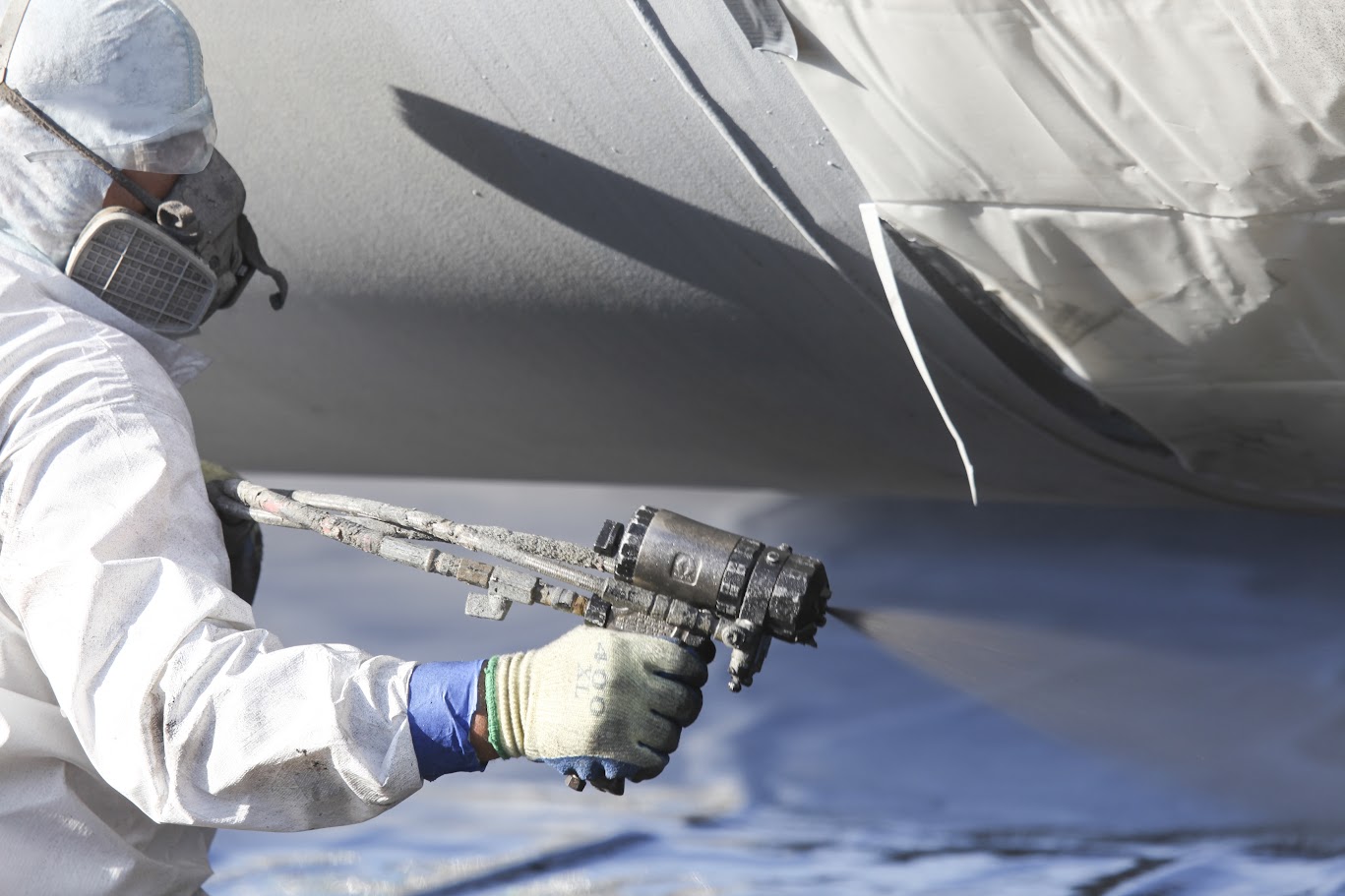
Polyurea application is a skilled trade. Getting consistently good results requires understanding the chemistry of the material, mastering spray equipment settings, recognizing how temperature and humidity affect cure, and knowing how to prepare different substrate types. Applicators who invest in proper training produce better work, earn better reputations, and build more sustainable businesses than those who try to learn purely through trial and error.
What Good Polyurea Training Covers
A solid polyurea training program should cover at minimum: the chemistry of isocyanate and resin systems, spray machine operation and maintenance, surface preparation standards (SSPC/NACE), application technique for different substrates and geometries, troubleshooting defects such as blistering and delamination, and safety practices for handling isocyanate-based materials.
Some training programs include hands-on spray time; others are primarily classroom or online. The best programs combine both, and ideally include access to ongoing technical support after the initial training is complete.
Types of Training Available in the U.S.
Training in the polyurea industry is offered through several channels: manufacturer-sponsored programs, independent trade schools, and industry associations. Manufacturer programs are often bundled with equipment and material purchases. Independent programs may offer more objective instruction across multiple product systems. Some programs lead to formal certifications, which can be valuable when bidding on commercial or government contracts.
When evaluating a training program, applicators should ask: How many hours of hands-on spray time are included? What equipment will I train on? Is there ongoing technical support? Are there case studies or success stories from past graduates? Does the program cover business development as well as technical application?
Questions to Ask Before Committing to a Training Program
- What is the total cost, including equipment, materials, and the course itself?
- What certifications or credentials will I receive upon completion?
- Is the training facility equipped with the same machinery I plan to use in the field?
- What post-training support is available if I run into problems on a job?
- Can I speak to past graduates before enrolling?
American Polyurea recommends that applicators research multiple training providers before making a decision. No single program is right for every business model or budget. Our Education section lists several training resources available to U.S.-based applicators.
Next Steps for New Applicators
Evaluating training programs is the first step. The next is choosing the right equipment. Our polyurea coating equipment buyer’s guide covers everything from plural-component proportioners to spray guns and surface preparation tools. Understanding which applications to pursue first is covered in our guide to starting a polyurea coating business.
For a broad overview of where applicators can deploy their skills, visit our polyurea applications page. Technical terms from training programs are defined in our Polyurea Industry Glossary. Industry certification bodies and training organizations are listed in our industry resources and standards section. Ready to begin? Visit our Become an Applicator page to get started.
Get polyurea news in your inbox
New articles, application guides and industry news from American Polyurea. Unsubscribe anytime.
Pingback: Quality Matters: Comparing Polyurea Production in America and China - American Polyurea
Pingback: The Evolution of Polyurea: A Revolutionary Coating Solution - American Polyurea