

We surveyed American Polyurea members across all seven chapters in May 2026 to get a read on business conditions, hiring trends, project pipelines, and the issues that are top of mind heading into summer. Here’s what the data and the conversations tell us about the state of the polyurea industry at the midpoint of 2026.
Business Conditions: Strong Across the Board
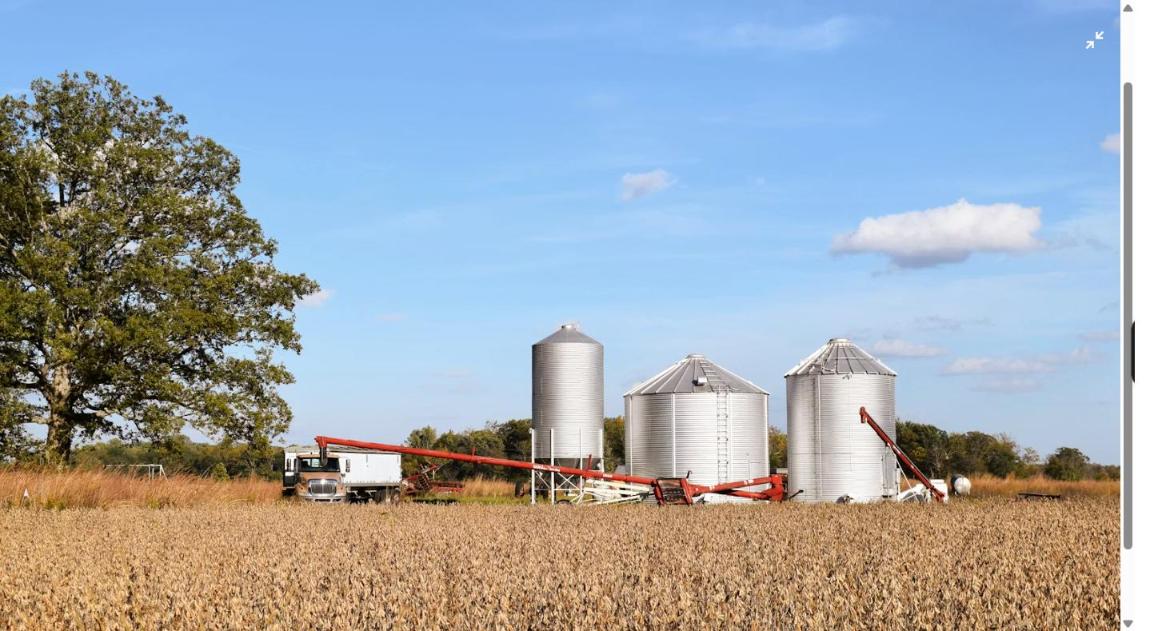
82% of surveyed members described their current business conditions as “strong” or “very strong.” The South Central and Southeast chapters reported the highest levels of optimism, driven by continued infrastructure investment, active oil and gas sector activity in Texas and Louisiana, and strong residential construction in Florida and the Carolinas. The Midwest chapter reported strong demand from agricultural infrastructure (grain storage, cisterns) and continued government spending on water system rehabilitation.
Labor Remains the Biggest Challenge
When asked about their most significant operational challenge, 67% of respondents cited finding and retaining qualified applicators. The technical skill requirement for polyurea application — equipment operation, surface preparation judgment, troubleshooting — makes it difficult to hire off the street and train quickly. Several members described creating in-house training programs, with multiple pointing to American Polyurea’s training program evaluation guide as a framework they use with new hires.
Equipment Availability Improving
The equipment backlogs that plagued the industry in 2023 and 2024 have eased significantly. Multiple members report lead times on new plural-component proportioners returning to pre-shortage norms of 4–8 weeks. Several members who had deferred equipment upgrades during the shortage period are now placing orders. For contractors evaluating equipment options, our equipment buyer’s guide covers the key considerations.
Most In-Demand Applications Right Now
- Secondary containment (driven by EPA enforcement activity)
- Municipal wastewater infrastructure rehabilitation
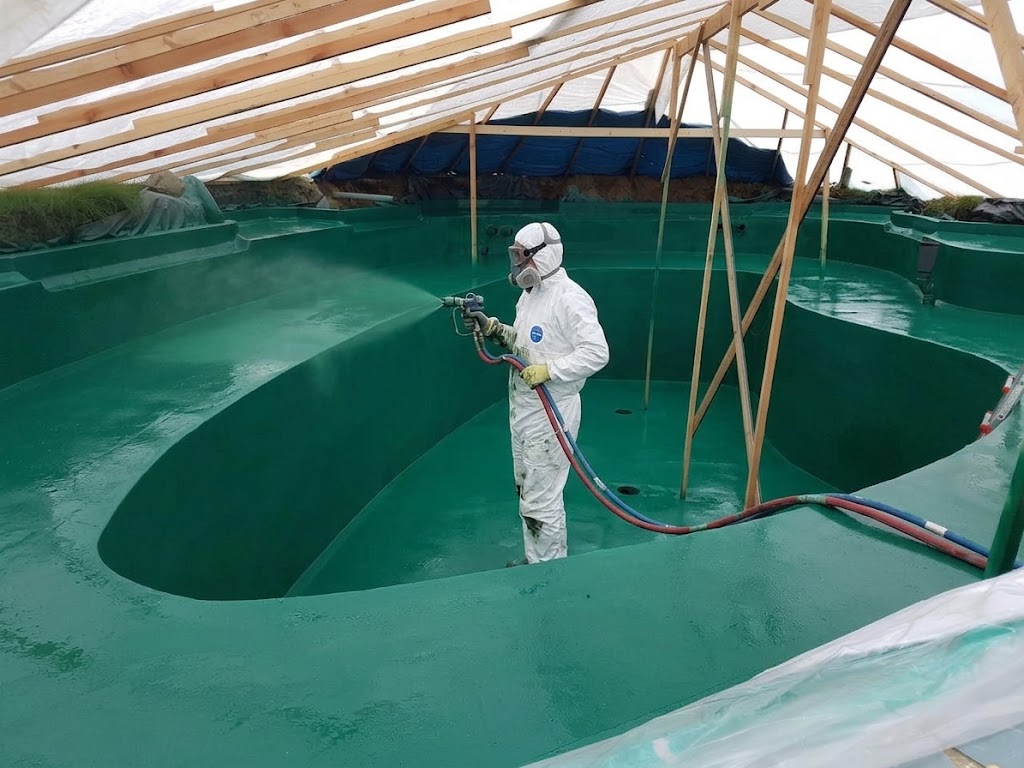
- Cisterns and water storage (drought concerns driving demand in Southwest and Mountain West)
- Safe rooms and storm shelters (Southeast and Midwest)
- Bridge and parking deck restoration
Looking Ahead
“We’re in the best market I’ve seen in 20 years in coatings,” said one Southeast member with 22 years of industry experience. “The only thing that could slow us down is not having enough trained people to do the work.” If you’re considering entering the polyurea business, our guide to starting a polyurea coating business is the right starting point. For those already in the industry, the chapters network and monthly events are where the business conversations are happening.
Get polyurea news in your inbox
New articles, application guides and industry news from American Polyurea. Unsubscribe anytime.
The secondary containment demand point resonates with my Houston market experience. EPA stepped up enforcement activity earlier this year and a LOT of facility operators are suddenly very motivated to get compliant. We’ve had three secondary containment inquiries in the last week alone.
The secondary containment demand point resonates hard. EPA stepped up enforcement this year and a lot of Houston-area facility operators are suddenly very motivated. We have had three inquiries this week alone.
The labor challenge point hits home. I had two guys quit in March to start their own companies — which I support, but it left me scrambling. The informal mentorship network in this community is genuinely the best recruitment pipeline I have. Half my hires have been people I met at chapter meetings.
The labor challenge hits home. I had two guys quit in March to start their own companies — which I support — but it left me scrambling. The mentorship network here is honestly my best recruitment pipeline. Half my hires have been people I met at chapter meetings.
Mountain West is seeing the cistern and water storage demand surge very clearly. Drought conditions in Colorado and Wyoming have a lot of rural property owners investing in water storage infrastructure. Polyurea is the obvious choice once they price out the alternatives.