

Surface preparation is the single most critical factor determining the long-term success of any polyurea coating project. Industry data consistently shows that coating failures are attributed to inadequate surface preparation in over 80% of cases — yet it remains one of the most underestimated phases of the application process. Whether you’re coating a secondary containment structure, a truck bed liner, or a wastewater treatment facility, the substrate condition before you pull the trigger on your spray gun will make or break the job.
Why Surface Preparation Matters More Than the Coating Itself
Polyurea is remarkably tolerant of moisture and can cure in extreme conditions — but it cannot compensate for a contaminated or structurally compromised substrate. The adhesion bond between polyurea and a surface is only as strong as the surface itself. Contamination from oil, grease, existing coatings, salts, or rust creates a weak boundary layer that will eventually delaminate under thermal cycling, impact, or hydrostatic pressure.
Understanding Surface Profile
Surface profile refers to the microscopic texture of a surface — specifically the peaks and valleys that create mechanical anchor points for the coating. For polyurea coatings on concrete, the International Concrete Repair Institute (ICRI) recommends a Concrete Surface Profile (CSP) between CSP 3 and CSP 6 for most applications. On steel substrates, SSPC standards typically call for SSPC-SP10 Near-White Metal Blast for industrial applications.
Concrete Surface Preparation Methods
Concrete is the most common substrate for polyurea applications in commercial and industrial settings. Shot blasting is the gold standard for large horizontal surfaces, producing CSP 3-5 profiles. Diamond grinding excels on smooth or hard concrete and produces consistent flat profiles (CSP 2-3). Scarifying uses rotating cutters to aggressively remove material, leaving rough profiles (CSP 5-9) ideal for thicker polyurea systems.
Steel Surface Preparation Standards
For most structural steel applications, SSPC-SP10 Near-White Metal Blast is specified, requiring removal of all rust, mill scale, and previous coatings. For immersion service, SSPC-SP5 White Metal Blast (100% clean) is required. The time between blast cleaning and coating application must be minimized — steel can begin flash rusting within hours in humid conditions.
Moisture Testing
Excessive moisture in concrete can cause adhesion failure, blistering, and delamination. Concrete moisture vapor emission rate should not exceed 3 lbs/1,000 sq ft/24 hours for most standard formulations. Testing methods include calcium chloride tests (ASTM F1869), in-situ relative humidity probes (ASTM F2170), and electronic surface moisture meters.
Priming Best Practices
Primers provide critical benefits: improved adhesion on smooth surfaces, moisture mitigation on concrete, and corrosion inhibition on steel. Always match the primer chemistry to the polyurea system you’re applying. Critical application parameters include substrate temperature (must be above dew point), film thickness (usually 2-4 mils DFT), and recoat window.
Quality Control Documentation
Professional applicators document surface preparation activities for every project. A comprehensive quality control log should include substrate condition, preparation method, surface profile measurements, moisture readings, and ambient conditions. Learn more about becoming a certified polyurea applicator and the documentation standards required for professional work.
Understanding proper surface preparation is a core component of the training offered through American Polyurea’s education programs. For questions, reach out through our member community forums or explore our industry resources section.
Get polyurea news in your inbox
New articles, application guides and industry news from American Polyurea. Unsubscribe anytime.
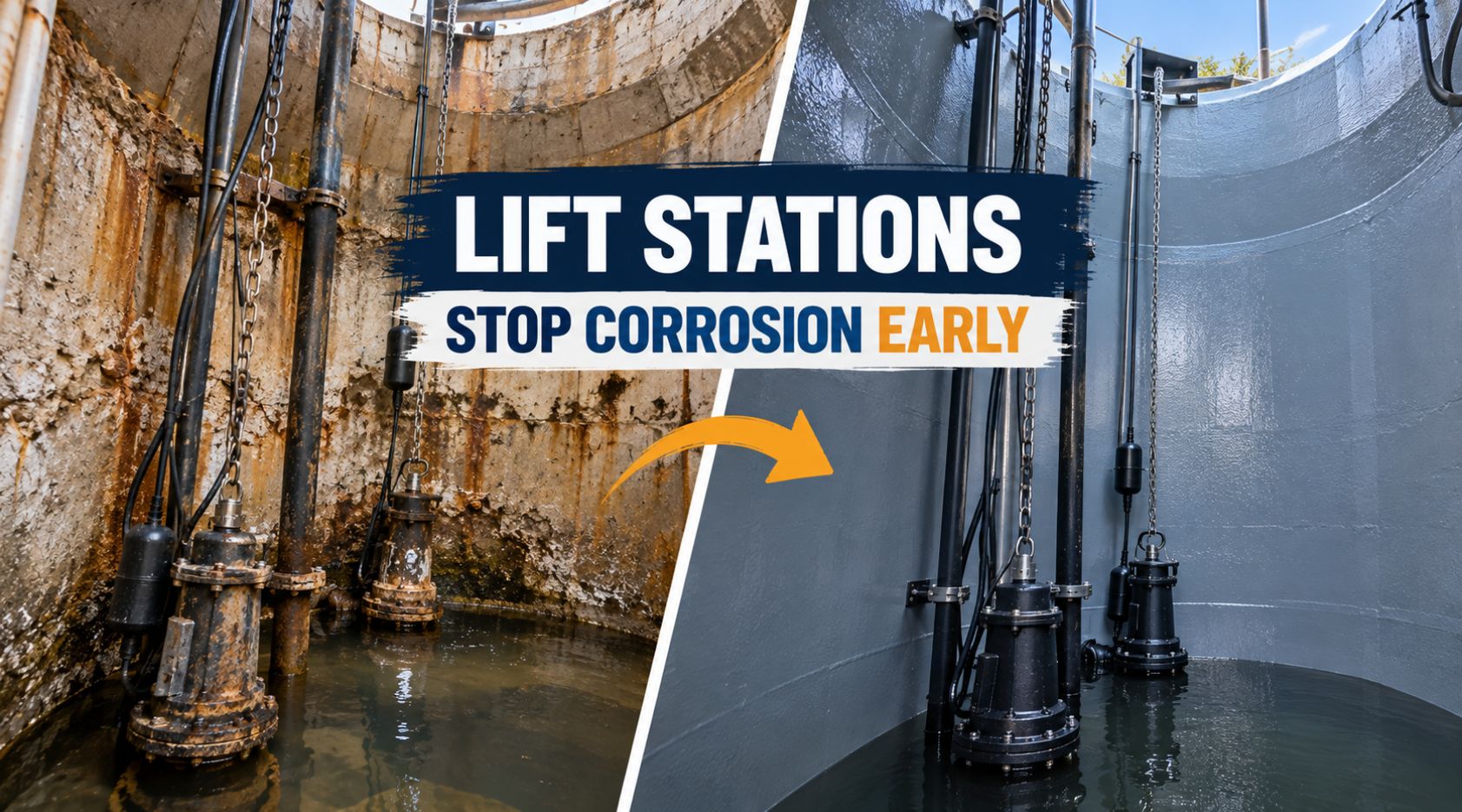
The section on pH testing of prepared concrete is something I learned the hard way on a municipal project. Residual acid contamination after MIC degradation nearly caused complete adhesion failure on 8,000 square feet. Now I do pH testing on every wastewater project before priming. Great article.
Outstanding breakdown of surface prep requirements. The section on moisture testing is especially useful — we had a failed adhesion issue on a hospital floor project last year that traced directly back to inadequate moisture testing. Saved this article for our crew training materials.
The ICRI CSP profile table is something I explain to clients constantly. This article does it better than I ever have. Going to start sharing this link when clients ask why surface prep costs what it does.