

One of the most common questions new polyurea applicators and project specifiers ask is: how thick does the coating need to be? The answer varies significantly depending on the application, performance requirements, substrate condition, and expected service life. Applying too little polyurea results in premature failure; applying too much increases cost without proportional benefit. This guide provides practical thickness specifications for the most common polyurea applications.
Understanding Dry Film Thickness (DFT) vs. Wet Film Thickness (WFT)
Polyurea is measured in mils (thousandths of an inch) or millimeters. Because most polyurea systems experience minimal solvent evaporation and have very high solids content (typically 100% solids), wet film thickness and dry film thickness are essentially equal — a significant advantage over solvent-borne coatings. This makes thickness measurement and quality control more straightforward than with traditional coatings.
Truck Bed Liners and Light Vehicle Applications
For retail truck bed liners, the industry standard is 80-125 mils (2-3mm) applied to the bed floor and walls. This thickness provides adequate impact resistance, sound deadening, and corrosion protection for typical cargo use. High-performance applications — particularly for work trucks, utility vehicles, or off-road use — may specify 125-250 mils. The key consideration is coverage uniformity: a bed liner with high spots at 200 mils but low spots at 40 mils will fail at the thin areas regardless of average thickness.
Secondary Containment and Chemical Resistance Applications
Secondary containment is one of the most demanding polyurea applications from a thickness specification standpoint. EPA regulations and industry best practices typically require a minimum of 60-80 mils for basic containment, but chemical resistance requirements often drive specifications to 125-250 mils or more. The chemical resistance of polyurea varies significantly by formulation — always obtain chemical resistance data from the manufacturer for the specific chemicals present in your containment area before specifying coating thickness.
For containment areas handling hydrocarbons, the standard specification is 125 mils minimum, with 80% of readings meeting or exceeding specification and no single reading below 80 mils. For aggressive chemicals like strong acids, alkalis, or oxidizing agents, thicker membranes (200+ mils) and specialized polyurea formulations are required.
Waterproofing Membranes for Roofs and Decks
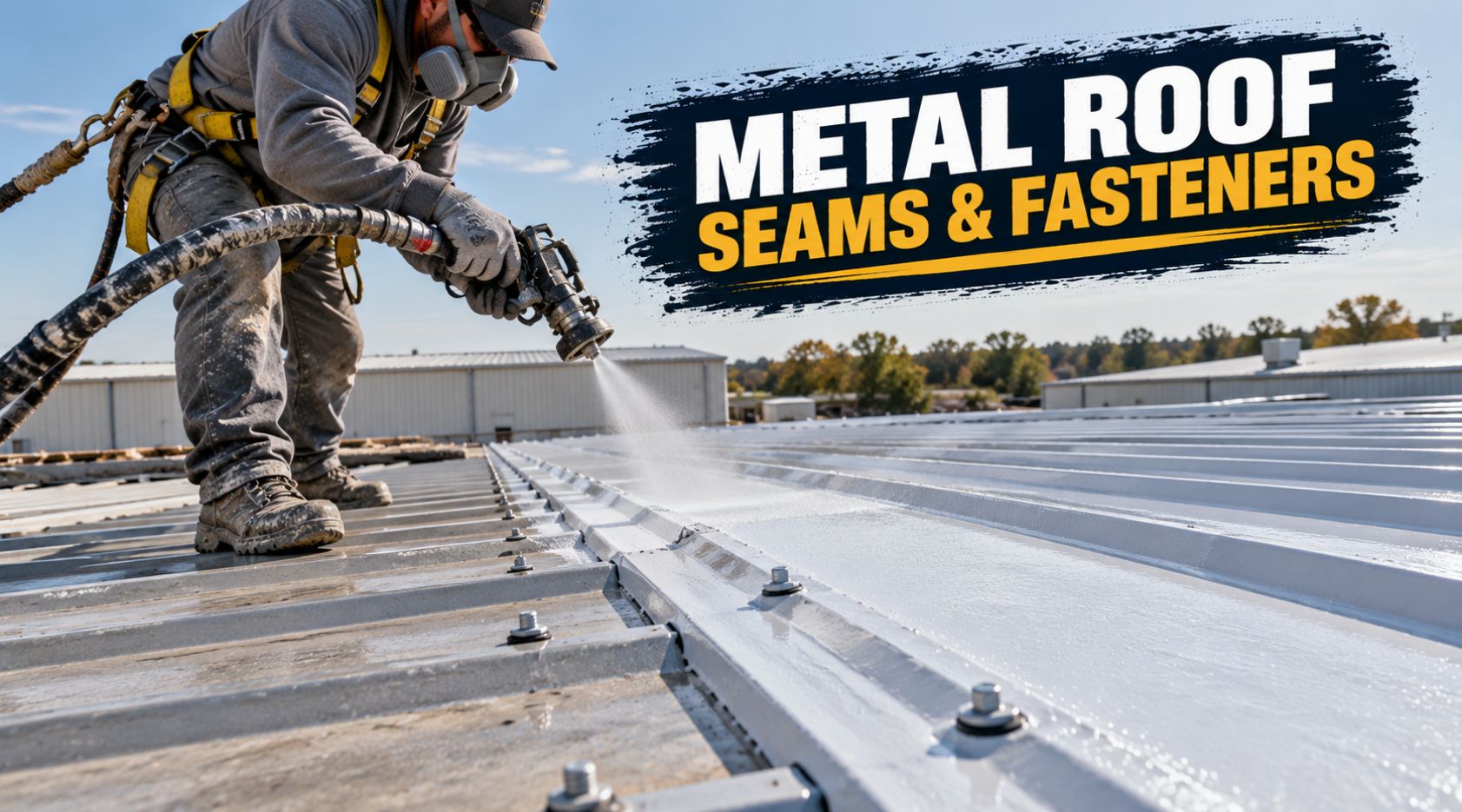
Polyurea waterproofing membranes for roofing applications are typically specified at 60-80 mils over a prepared substrate or over polyurethane foam insulation. For pedestrian decks and traffic-bearing surfaces, 80-125 mils with an anti-slip broadcast aggregate is standard. Bridge deck waterproofing systems often specify 80-160 mils to account for the dynamic loading and thermal cycling that bridge structures experience.
Pipeline and Corrosion Protection
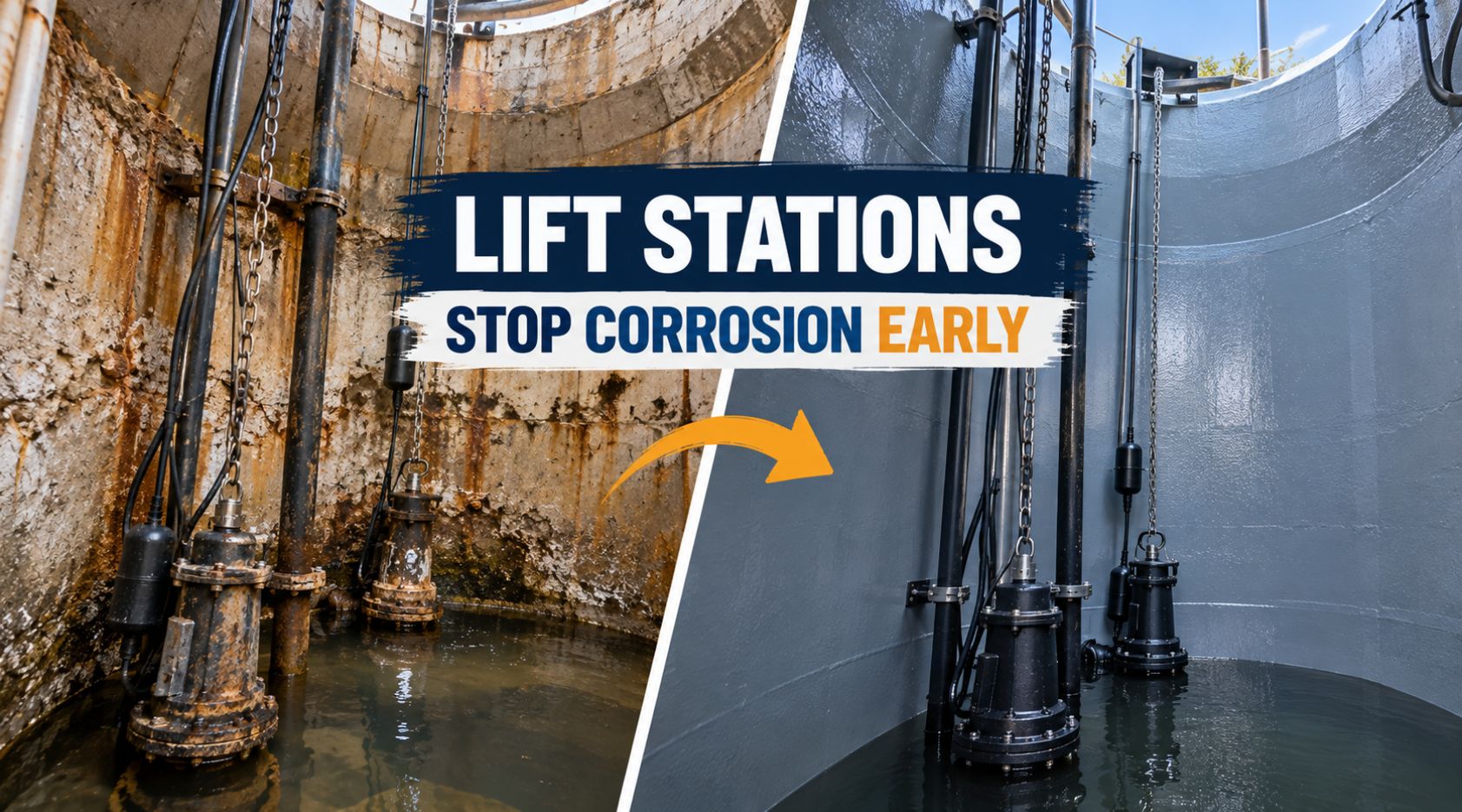
Pipeline coating specifications are among the most precisely defined in the polyurea industry, governed by NACE/AMPP standards and pipeline operator specifications. Fusion-bonded epoxy (FBE) overcoat systems using polyurea are typically specified at 40-60 mils. Field joint coatings range from 80-125 mils. For extreme soil stress conditions or abrasion-resistant applications, specifications of 250-500 mils are not uncommon.
Learn more about pipeline applications in our comprehensive article on how polyurea transformed pipeline protection.
Industrial Flooring and Wear Surfaces
Industrial floors subject to forklift traffic, heavy equipment, and abrasion typically require 80-125 mils of polyurea or a polyurea/polyurethane hybrid system. For mining and aggregates facilities where extreme abrasion is present, specifications of 250-500 mils are common, often applied in multiple passes with intermediate cooling periods. The relationship between thickness and abrasion resistance is not linear — formulation chemistry has a greater impact on abrasion resistance than thickness alone beyond a certain point.
Measuring Thickness in the Field
Dry film thickness gauges (DFGT) are essential equipment for any professional polyurea applicator. Magnetic pull-off gauges work on steel substrates; electronic gauges using eddy current or ultrasonic technology measure on concrete and other non-metallic substrates. For quality control purposes, take thickness readings at a minimum frequency of five readings per 100 square feet on horizontal surfaces, and verify coverage at corners, penetrations, and transitions where thin areas are most likely to occur.
The Impact of Temperature on Applied Thickness
Cold substrate and ambient temperatures reduce the flowability of polyurea components, resulting in thicker applied film per pass. Conversely, hot conditions produce thinner, more fluid application that can result in runs and sags on vertical surfaces. Understanding how temperature affects your specific material’s application characteristics is critical for maintaining consistent thickness across a project. Consult our education resources for training on material handling and temperature management.
For thickness specifications on unusual applications or to discuss project-specific requirements, connect with other experienced applicators in the American Polyurea community. Our member network includes specialists in every major application category who can provide guidance based on real-world project experience. You can also find certified applicators for your region through our Find a Certified Applicator directory.
Get polyurea news in your inbox
New articles, application guides and industry news from American Polyurea. Unsubscribe anytime.

The section on secondary containment thickness specs is exactly what I needed. A client just asked me to spec a containment area for a chemical distribution facility and I wasn’t sure whether 80 or 125 mils was appropriate. Now I know to get the chemical resistance data first before committing to a spec.