
Ask a bridge painter what keeps steel alive in a coastal splash zone and you’ll hear the same answer: zinc against the steel, then something tough on top. A zinc rich primer is the first coat in many of the longest-lasting steel protection systems in use, and it’s also one of the easiest coats to get wrong. It needs the right surface prep, the right film build and, when polyurea or another high-build topcoat goes over it, the right transition coat. This guide explains how zinc-rich primers protect steel, the difference between organic and inorganic types, what the SSPC zinc levels mean, how to apply them and how to topcoat them with polyurea without trapping air or losing adhesion.
How a zinc rich primer protects steel
Most coatings protect steel by acting as a barrier. Keep water and oxygen off the surface and the steel can’t rust. The trouble is that barriers get scratched. Once moisture reaches bare steel, corrosion starts at the damage and creeps under the film.
Zinc-rich primers add a second line of defense. Zinc is more electrochemically active than steel, so in a scratch or holiday the zinc corrodes first and the steel is spared. PCI Magazine’s overview of zinc-rich primers describes this as sacrificial protection: zinc acts as a sacrificial anode and corrodes preferentially. To work that way, zinc particles have to touch each other and the steel, which is why the zinc content has to be very high.
This is the same principle behind hot-dip galvanizing, just delivered from a spray gun. It’s also why zinc-rich primers are so common under topcoats on bridges, tanks and structural steel.
Organic vs inorganic zinc rich primers
SSPC Paint 20, the industry specification for zinc-rich coatings, splits them by binder.
| Feature | Type I: inorganic | Type II: organic |
|---|---|---|
| Typical binder | Silicates (often ethyl silicate) | Epoxy, moisture-cure urethane and others |
| Cure | Reacts with moisture or CO2 from the air | Chemical cure or solvent evaporation |
| Surface prep tolerance | Low; usually needs a clean, sharp blast | Somewhat more forgiving |
| Heat resistance | High | Lower, depends on binder |
| Topcoating | Porous; usually needs a mist or tie coat | Easier to topcoat |
| Typical use | Shop-applied steel, high-heat, long service | Field work, repairs, maintenance painting |
Under Type I, the spec lists sub-types: water-based post-cured silicates, water-reducible self-curing silicates, and solvent-reducible self-curing types such as organic silicates, which depend on moisture in the air to finish curing. Type II covers organic vehicles such as catalyzed epoxies and moisture-curing polyurethanes.
What the SSPC zinc levels mean
SSPC Paint 20 also grades primers by how much zinc dust is in the dried film, by weight. PCI Magazine summarizes the three levels:
- Level 1: 85% zinc or more.
- Level 2: at least 77% and less than 85%.
- Level 3: at least 65% and less than 77%.
Two cautions come with those numbers. They’re weight percentages in the dry film, so the volume of zinc is much lower than the percentage suggests, because zinc is so much heavier than the binder. And other standards define “zinc rich” differently. The Institute of Corrosion’s expert Q&A notes that ISO 12944 uses more than 80% zinc dust in the dry film. Read the spec on your job, then check the product data sheet against it.
Zinc rich primer coverage calculator
Enter the steel area and the data sheet numbers. The calculator estimates gallons needed and tells you which SSPC level the zinc content falls in.
Zinc rich primer calculator
The 1,604 figure is the standard coverage of one gallon of 100% solids coating at 1 mil dry. Real-world loss on blasted structural steel is often high, so don’t be stingy with the loss factor.
Surface prep and application
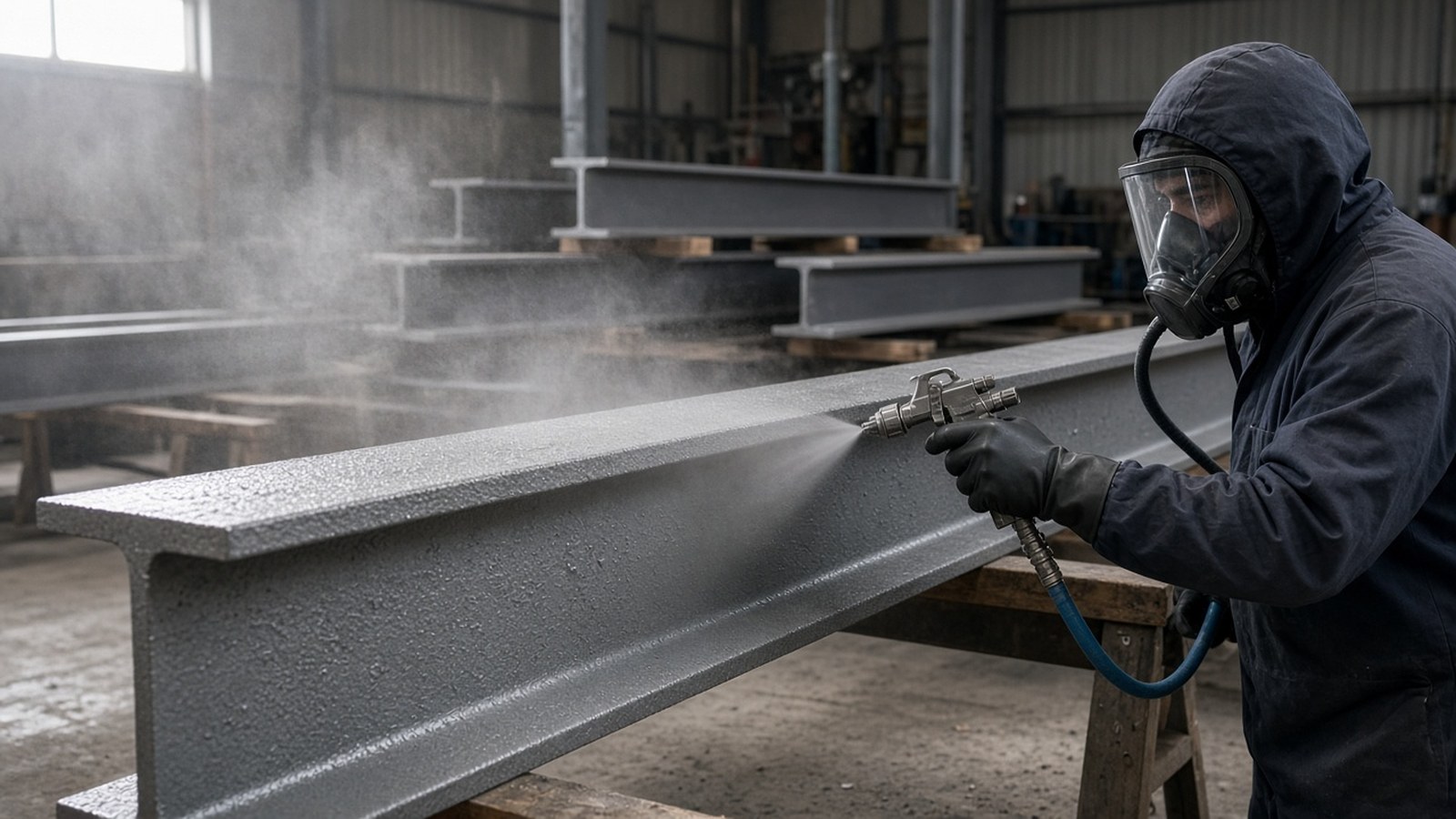
Zinc-rich primers are only as good as the contact between the zinc and the steel. That means clean, profiled metal.
- Blast cleaning. Most inorganic zinc data sheets call for a near-white or white metal blast with a sharp, angular profile. Organic zincs are sometimes allowed over slightly lesser prep, but the data sheet sets the floor.
- Profile. Enough anchor for the primer, not so much that peaks poke through the film. Check the profile range on the data sheet and measure it.
- Time to prime. Blast-cleaned steel starts to flash rust quickly in humid air. Prime the same shift.
- Keep the material moving. Zinc dust is heavy and settles fast. Continuous agitation in the pot keeps the zinc in suspension so what reaches the steel matches the data sheet.
- Film build. Too thin and there’s not enough zinc. Too thick, especially with inorganic zinc, and the film can mud-crack. Stay inside the DFT range.
Our polyurea surface preparation field guide covers blast standards, profile measurement and inspection hold points in more detail. For small parts, touch-up and maintenance on equipment that won’t ever see a blast pot, a quality rust prevention spray can be a sensible stopgap, but it isn’t a substitute for a zinc-rich system on structural steel.
Topcoating zinc with polyurea
Polyurea over zinc is a strong system on paper: sacrificial protection at the steel, a thick, tough, flexible membrane on top. The interface is where it can go wrong.
The porosity problem
Inorganic zinc films are porous. If you spray a high-build topcoat directly over them, air and solvent trapped in the zinc can escape into the wet topcoat and leave bubbles and pinholes. The usual fix is a mist coat or a thinned tie coat, often an epoxy, that seals the zinc before the full topcoat goes on. Follow the system maker’s sequence.
Cure and recoat windows
Inorganic zinc needs to be fully cured before topcoating, and humidity drives that cure. Organic zinc has its own recoat window. Miss the window on either side and adhesion suffers.
Primer selection over zinc
Polyurea is rarely sprayed straight onto a zinc film. Most systems call for a primer or tie coat that’s compatible with both layers. This guide to choosing a polyurea primer walks through primer types, and the same thinking applies here: the primer has to suit the substrate beneath it as well as the polyurea above.
Zinc salts
Zinc exposed to weather forms white corrosion products. If a zinc-primed piece sits outside before topcoating, those salts need to be removed. Topcoating over them invites delamination.
Touch-up and maintenance painting
Damage happens during erection, shipping and service. How you repair a zinc-rich system depends on what’s underneath.
- Small damage to an inorganic zinc system is often touched up with an organic zinc, because field conditions rarely allow the blast quality and humidity control inorganic zinc needs. Check that the repair primer is approved by the system maker.
- Feather the edges. Sand or power-tool clean the damaged area back to sound coating and taper the edges so the repair blends in rather than lifting.
- Clean before you coat. Remove zinc salts, oil and dust, then apply the primer and the remaining system coats in the original sequence.
- Record it. Note location, prep method and products. On long-life assets, repair records help explain what you find at the next inspection.
Where zinc-rich systems make sense
- Structural steel and bridges, especially near salt.
- Tank exteriors and secondary containment steel.
- Marine and coastal facilities. See our piece on polyurea in splash zones.
- Agricultural steel exposed to manure, fertilizer and moisture, like the jobs in our grain bin rust prevention article.
- Bridge and infrastructure steel, covered in polyurea for bridge preservation.
Zinc rich primer job checklist
☐ Spec reviewed
Type (organic or inorganic) and zinc level required, and which standard defines “zinc rich” on this job.
☐ Blast and profile confirmed
Cleanliness and profile measured and recorded before priming.
☐ Agitation in place
Pot agitated continuously so zinc stays suspended.
☐ DFT checked
Readings inside the data sheet range, with no thick spots that could mud-crack.
☐ Cure verified before topcoat
Humidity and time logged, and cure confirmed by the maker’s test for inorganic zinc.
☐ Transition coat planned
Mist or tie coat specified before polyurea, with zinc salts removed if the steel weathered.
Zinc rich primer FAQ
What percentage of zinc makes a primer “zinc rich”?
Under SSPC Paint 20, Level 1 is 85% or more zinc by weight in the dry film, Level 2 is 77% to under 85%, and Level 3 is 65% to under 77%. ISO 12944 uses more than 80% zinc dust in the dry film.
Is organic or inorganic zinc better?
It depends on the job. Inorganic zinc offers high heat resistance and long service but needs excellent prep and careful topcoating. Organic zinc, often epoxy-based, is more forgiving and easier to topcoat, which suits field and maintenance work.
Can you put polyurea directly over zinc rich primer?
It’s usually not recommended. Most systems use a mist coat or tie coat to seal porous zinc and prevent bubbling, then a compatible primer, then the polyurea. Follow the system maker’s sequence.
Why does inorganic zinc mud-crack?
Usually because it was applied too thick. Staying inside the data sheet’s dry film thickness range prevents it.
Does zinc rich primer need a topcoat?
Not always, but most systems add one. The topcoat protects the zinc from being consumed too quickly and adds barrier protection and color.
Get polyurea news in your inbox
New articles, application guides and industry news from American Polyurea. Unsubscribe anytime.