Industrial Coatings

Polyurea Roof Coatings: Performance, Application, and Cost Considerations

Roofing represents one of the most demanding coating environments on any structure. A roof coating must simultaneously provide waterproofing, reflect or absorb solar radiation, resist wind uplift, accommodate significant thermal movement, and do all of this continuously for years without maintenance access to most areas. Polyurea and polyurea-hybrid systems have made significant inroads in the …

Polyurea Roof Coatings: Performance, Application, and Cost Considerations Read More »

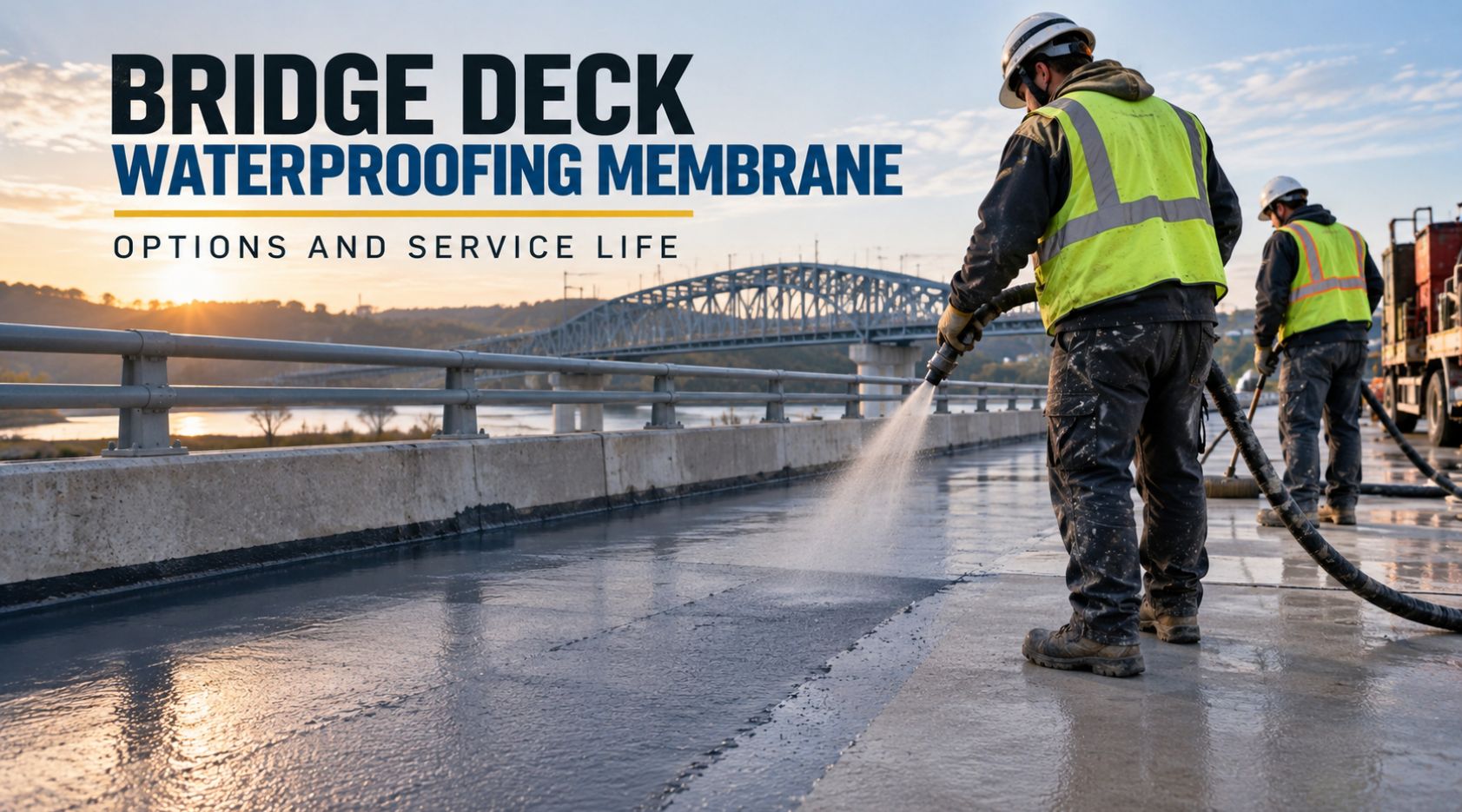
The Role of Polyurea in Bridge and Infrastructure Preservation

America’s infrastructure faces a mounting maintenance crisis. Hundreds of thousands of bridges, highway overpasses, parking structures, and public works facilities are aging past their design service lives. Repairing and preserving this infrastructure requires coating systems that perform at the highest level in demanding environments, last decades without failure, and can be applied quickly to minimize …

The Role of Polyurea in Bridge and Infrastructure Preservation Read More »

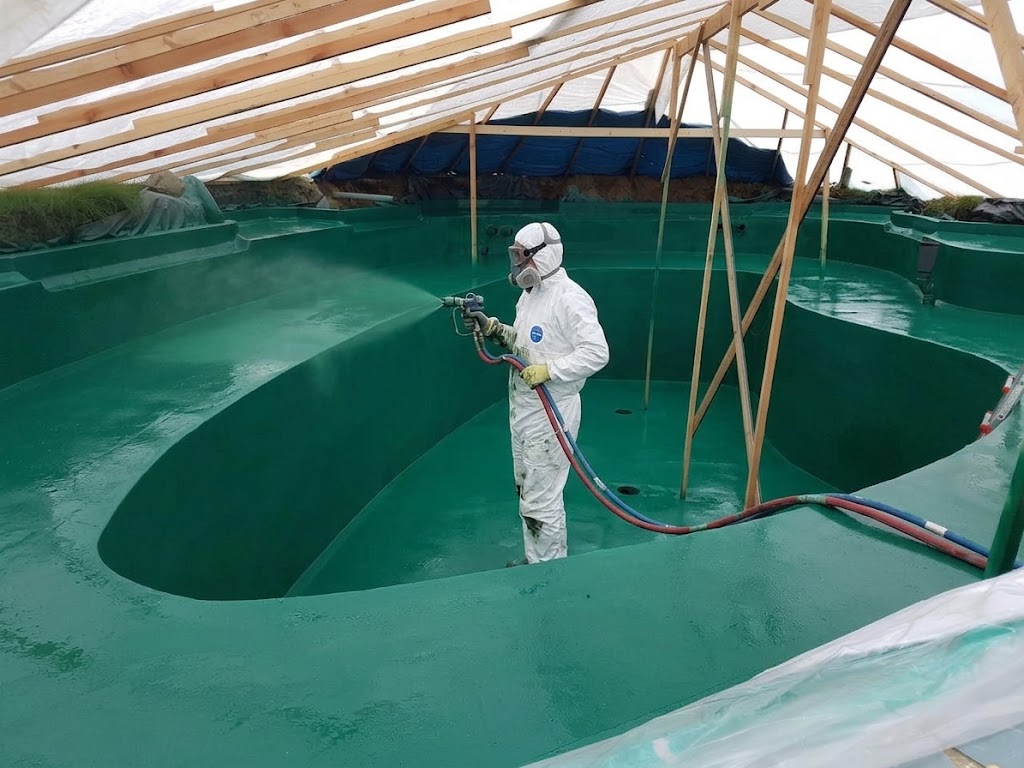
Polyurea for Secondary Containment: Protecting Facilities and the Environment

Secondary containment systems are a regulatory requirement for facilities that store, handle, or process hazardous materials, fuels, chemicals, and other substances that pose environmental risks. Traditional containment systems built from concrete, HDPE liners, or epoxy coatings have well-documented weaknesses. Polyurea has emerged as a highly effective alternative, offering superior performance in the precise conditions that …

Polyurea for Secondary Containment: Protecting Facilities and the Environment Read More »

Polyurea vs. Traditional Coatings: A Contractor’s Field Guide

Every protective coatings contractor eventually faces the question: when does polyurea outperform the alternatives, and when is a traditional system the better call? The honest answer is that polyurea is not always the right choice for every job, but it is the right choice far more often than many contractors realize. This field guide compares …

Polyurea vs. Traditional Coatings: A Contractor’s Field Guide Read More »

Project Spotlight: Houston Fuel Terminal Secondary Containment — 80,000 sq ft Completed in 4 Days

When a major fuel distribution operator in the Houston metropolitan area needed to bring a 15-year-old secondary containment system into full EPA compliance, they turned to a team of American Polyurea member contractors led by Southwest Industrial Coatings. The project — 80,000 square feet of seamless polyurea secondary containment across a complex berm-and-floor system — …

Project Spotlight: Houston Fuel Terminal Secondary Containment — 80,000 sq ft Completed in 4 Days Read More »

Polyurea for Wastewater Treatment Facilities: Complete Application Guide

Wastewater treatment facilities represent one of the most challenging environments for any coating or lining system. Constant exposure to hydrogen sulfide gas, microbially influenced corrosion (MIC), high humidity, chemical fluctuations, and mechanical wear from equipment and cleaning operations demands a coating with exceptional chemical resistance, flexibility, and adhesion. Polyurea has emerged as the preferred lining …

Polyurea for Wastewater Treatment Facilities: Complete Application Guide Read More »

Midwest Chapter May 2026 Recap: Secondary Containment Case Studies from the Field

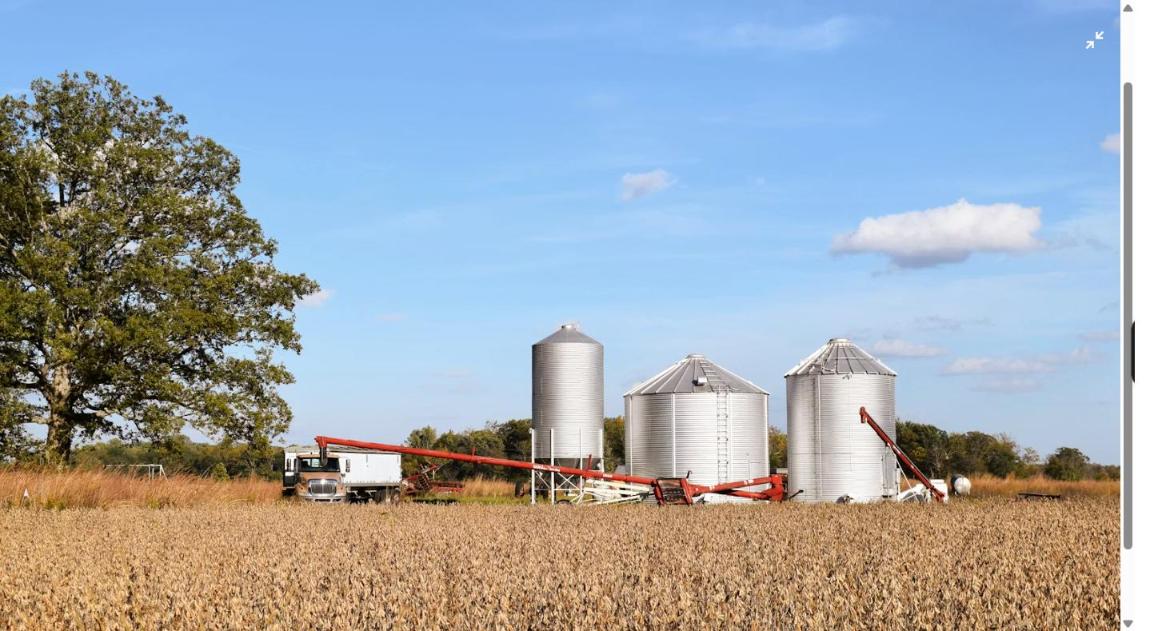
The Midwest Chapter’s May meeting — held in-person in Chicago for the first time this year — drew 38 attendees from across Illinois, Indiana, Ohio, Michigan, Wisconsin, and Minnesota. The evening’s programming centered on three case studies of secondary containment projects, presented by the contractors who completed them. Case Study 1: Agricultural Chemical Storage Facility, …

Midwest Chapter May 2026 Recap: Secondary Containment Case Studies from the Field Read More »

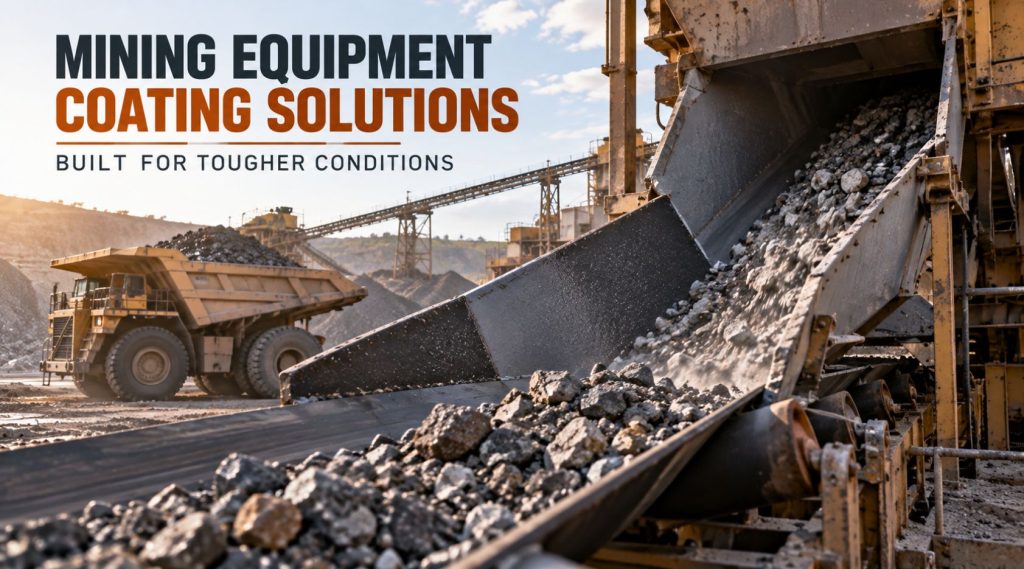
Polyurea Coatings in the Mining Industry: Extreme Abrasion Resistance Applications

Few industrial environments punish surfaces as aggressively as mining operations. Ore transfer chutes, hoppers, and loading facilities handle thousands of tons of abrasive material daily, vibrating constantly and subjecting every coated surface to impact, abrasion, and chemical attack simultaneously. For decades, wear-resistant steels and rubber liners were the only viable options in these environments. The …

Polyurea Coatings in the Mining Industry: Extreme Abrasion Resistance Applications Read More »

Parking Structure Coatings: Why Polyurea Is Replacing Urethane Traffic Membranes

Parking garage deck coatings may not be the most glamorous polyurea application, but they represent one of the largest and most consistent market segments for professional applicators. With hundreds of thousands of parking structures in the United States — and most of them carrying aging coating systems applied 15-25 years ago — the demand for …

Parking Structure Coatings: Why Polyurea Is Replacing Urethane Traffic Membranes Read More »

Polyurea for Marine and Coastal Facility Applications: Corrosion and Splash Zone Protection

Marine and coastal environments subject coatings and structures to the most aggressive combination of conditions found in any civilian infrastructure category: chloride-laden saltwater, UV radiation, wave action, tidal cycling, biological fouling, and the constant physical demand of vessel traffic and cargo operations. The protective coatings industry has sought solutions for marine corrosion since the age …

Polyurea for Marine and Coastal Facility Applications: Corrosion and Splash Zone Protection Read More »

Scroll to Top